Flipping Houses: How to Make It Profitable in Today's Market
By Trey McDermid · · 3 min read
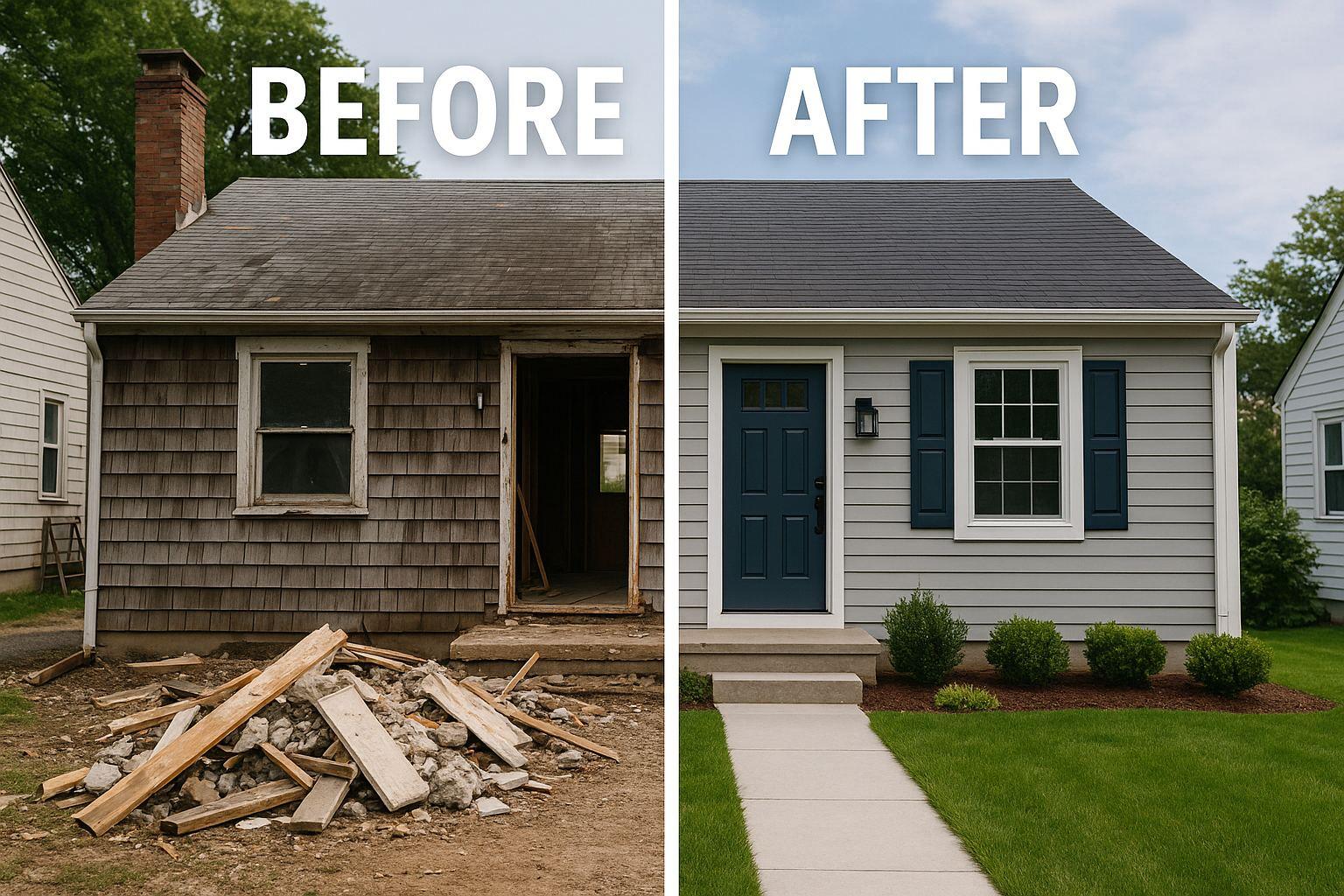
Flipping homes has long been a favorite strategy among real estate investors, but turning a profit requires more than just buying low and selling high. Successful flippers know the secret lies in strategy, timing, and precise execution.
If you're considering getting into profitable home flipping, here's what you need to know about the process, potential pitfalls, and key ways to maximize your return on investment.
Step 1: Know the Market Before You Buy
Research is everything.
Before purchasing any property, analyze the local real estate market. Look for neighborhoods with:
- Rising property values
- Low inventory
- Strong buyer demand
- Desirable school districts and amenities
Use data from sites like Realtor.com or Redfin to assess price trends and days-on-market statistics. The goal is to buy in an area where values are climbing, not peaking.
Pro Tip: Focus on cosmetic fixers, properties that need aesthetic upgrades rather than full structural overhauls. They cost less to repair and sell faster.
Step 2: Budget Realistically
A profitable home flip starts with a disciplined budget. A common rule of thumb is the 70% rule:
Never pay more than 70% of the property's after-repair value (ARV) minus the cost of repairs.
For example: If a home's ARV is $300,000 and repairs cost $50,000, the maximum purchase price should be: 300,000 × 0.7 – 50,000 = $160,000
Factor in closing costs, holding costs (mortgage, utilities, insurance), and realtor commissions when calculating your final profit margin. A realistic ROI target for first-time flippers is 10–20% net profit after all expenses.
Step 3: Renovate for Buyers, Not Yourself
Many first-time flippers over-upgrade. Remember, your taste may not be your buyer's. Stick to neutral, timeless finishes and focus on high-impact upgrades that add real value:
Kitchens: Replace countertops, cabinets, and fixtures.
Bathrooms: Update tile, lighting, and vanities.
Curb appeal: Fresh paint, landscaping, and a modern front door.
Energy efficiency: Add smart thermostats, LED lighting, and better insulation.
You're not building a dream home, you're building a marketable product that sells fast.
Step 4: Time the Market Right
Timing can make or break your flip.
Ideally, buy in late fall or winter when competition is lower, and aim to sell by spring or early summer when buyer demand peaks. Avoid sitting on properties too long, carrying costs can quickly eat into profits.
Step 5: Build a Reliable Team
Even experienced flippers rely on trusted professionals:
Real Estate Agent: To identify undervalued properties and negotiate deals.
Contractor: To manage timelines and renovations efficiently.
Home Inspector: To uncover issues before they become profit-killers.
Accountant: To track expenses and manage capital gains taxes.
Strong relationships lead to faster, more predictable results, and more profitable flips.
Common Pitfalls to Avoid
- Underestimating renovation costs, Always get multiple quotes.
- Ignoring permit requirements, Delays and fines can derail your timeline.
- Overpricing, Price for the market, not your emotional investment.
- Skipping inspections, Hidden issues can erase profits.
- Trying to DIY everything, Time is money; delegate wisely.
The Bottom Line
Flipping houses can absolutely be profitable, but only when approached strategically. Research the market, budget conservatively, and renovate with resale in mind.
With the right plan, team, and timing, your first flip can turn into a foundation for long-term real estate success.
Call to Action
If you're considering flipping your first property or expanding your real estate portfolio, Trey and his team can help you analyze properties, estimate renovation costs, and determine the best resale strategy for your goals.
Contact us today to get expert insight before your next investment move.