Build New vs Buy a Home | Cost, Customization, and Long-Term Value
By Trey McDermid · · 4 min read
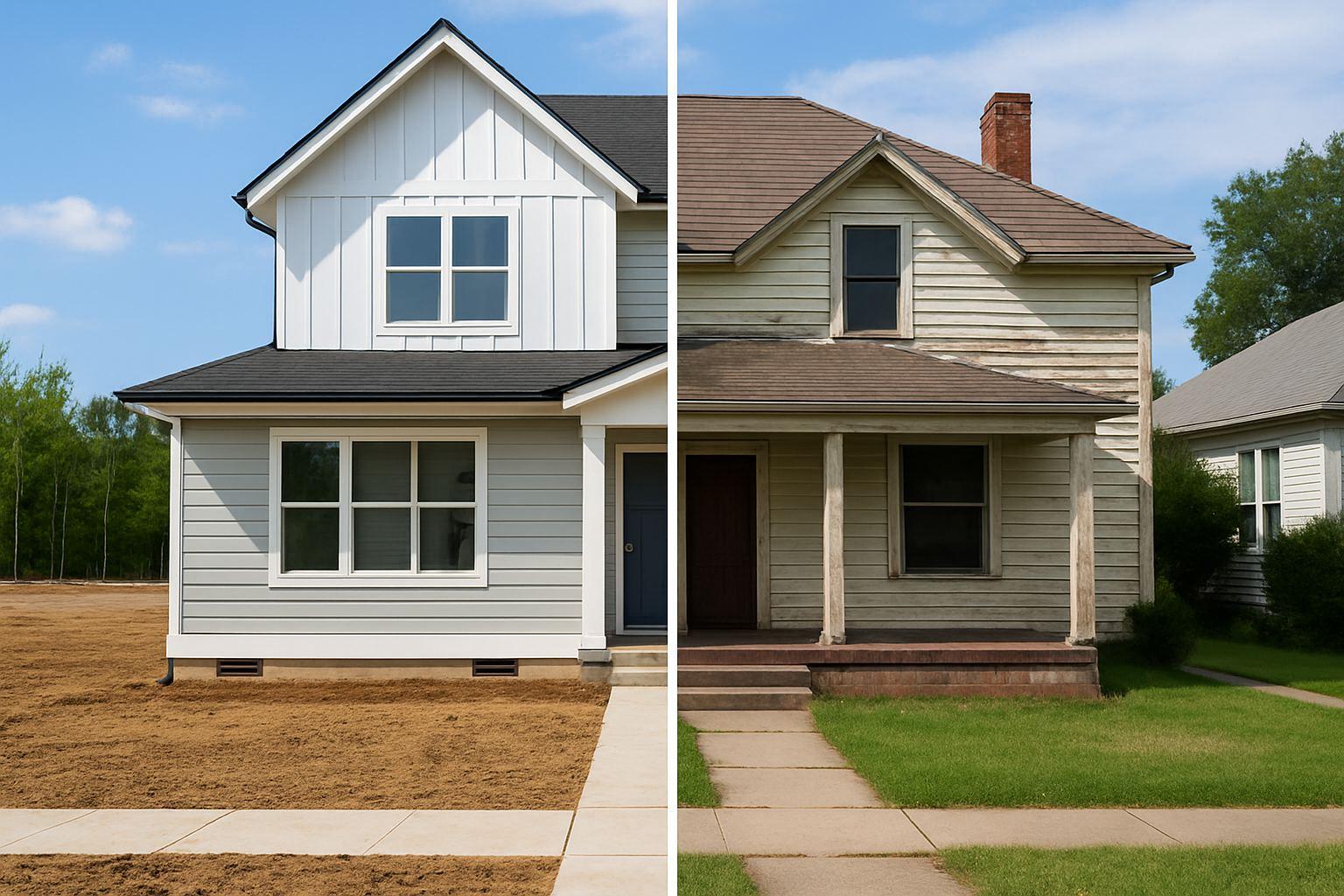
For many homebuyers, one of the biggest questions is whether to build a new home or buy an existing one. Both options have clear advantages, but they also come with trade-offs in terms of cost, timing, customization, and future value.
If you're weighing your choices in today's housing market, this guide breaks down the key factors that will help you make an informed decision between building new vs buying existing.
1. Upfront Cost: Comparing Apples to Apples
At first glance, building a new home may seem more expensive than buying a resale property. According to the National Association of Home Builders (NAHB), the average cost to build a new single-family home in 2025 ranges between $180–$250 per square foot, depending on materials and location.
Meanwhile, the median price of an existing home in many U.S. markets remains high due to low inventory, bidding wars, and aging housing stock that often requires renovation.
However, the initial purchase price doesn't tell the full story. When factoring in repairs, renovations, and energy upgrades, many buyers find that building new can actually deliver greater long-term value and predictability.
Key insight: New homes typically come with lower maintenance costs and modern energy efficiency, which can offset higher upfront costs within the first few years.
2. Customization: Designed for You vs. Designed for Someone Else
When you buy an existing home, you inherit someone else's design choices, and possibly outdated layouts or finishes. Remodeling can be expensive and disruptive.
Building new gives you total control over:
- Floor plan and layout
- Energy-efficient systems and smart home technology
- Finishes, fixtures, and materials
- Accessibility or multi-generational design
With a custom build, you can create a home that fits your lifestyle now and adapts to your needs over time.
Related article: New Home Construction, Learn what to expect when building from the ground up.
3. Timing and Convenience
If you need to move quickly, buying an existing home is usually faster. Closing on a resale can take as little as 30–45 days, while building a home often requires 6–12 months from planning to completion.
That said, new construction offers peace of mind, no surprise repairs, no outdated systems, and no hidden costs once the keys are in hand. Buyers who can wait a few extra months often prefer the certainty of a brand-new build.
4. Energy Efficiency and Sustainability
Older homes were built to older standards. That means lower insulation ratings, drafty windows, and inefficient HVAC systems.
Modern homes, on the other hand, are designed with energy efficiency and sustainability at the forefront. Builders now incorporate:
- High-performance insulation and windows
- Smart thermostats and LED lighting
- Solar and geothermal readiness
- Sustainable materials and tighter building envelopes
Over time, these improvements translate to lower utility bills and smaller environmental footprints.
See also: Eco-Friendly Home Construction, Explore how modern construction creates smarter, sustainable homes.
5. Location and Land Availability
One of the biggest limitations of building new is location. Existing homes are often closer to downtown areas, schools, and amenities. New construction typically takes place in developing suburbs or rural areas where land is available and affordable.
However, building on the outskirts can mean larger lots, quieter neighborhoods, and newer infrastructure. For many buyers, that trade-off is well worth it.
6. Maintenance and Long-Term Costs
A newly built home offers a fresh start, with new appliances, plumbing, roofing, and HVAC systems under warranty. It's not just about convenience; it's about savings.
Older homes, while potentially cheaper upfront, often come with deferred maintenance that adds up quickly, roof replacements, foundation repairs, or outdated wiring.
Over 10 years, maintenance costs for a new home can be 30–40% lower than for a home built before 1990, according to HomeAdvisor data.
7. Resale Value and Appreciation
Newer homes tend to appreciate more steadily and command higher resale prices because they meet current design and efficiency standards. Buyers also perceive newer homes as "move-in ready," which helps them sell faster in competitive markets.
Conversely, older homes in desirable neighborhoods can appreciate more quickly due to land value. The key is understanding which factor, location or condition, holds the most weight in your market.
Want to explore how renovations can increase resale value? Check out our guide on Open Concept Home Renovation.
The Bottom Line
Choosing between building new or buying existing comes down to your priorities, cost, timing, customization, and long-term value.
If you want a move-in-ready home with character and established surroundings, an existing home might be right for you. But if you value modern design, energy efficiency, and a truly personalized living space, building new could offer the better investment.
For insights on navigating today's housing market and financing options, explore our article on Mortgage Rate Trends 2025.
Additional Resources
For more information on building a new home, visit the National Association of Home Builders.
Learn about energy-efficient home standards at Energy Star for Homes.
Call to Action
Considering building a new home or buying an existing property in the Buffalo area? Trey and his team can help you evaluate both options, connect you with trusted builders, and guide you through every step of the decision-making process.
Contact us today to discuss your vision and explore the best path forward for your dream home.