Opening a Wall to Open Up Space: Transforming Your Home with Smart Design
By Trey McDermid · · 3 min read
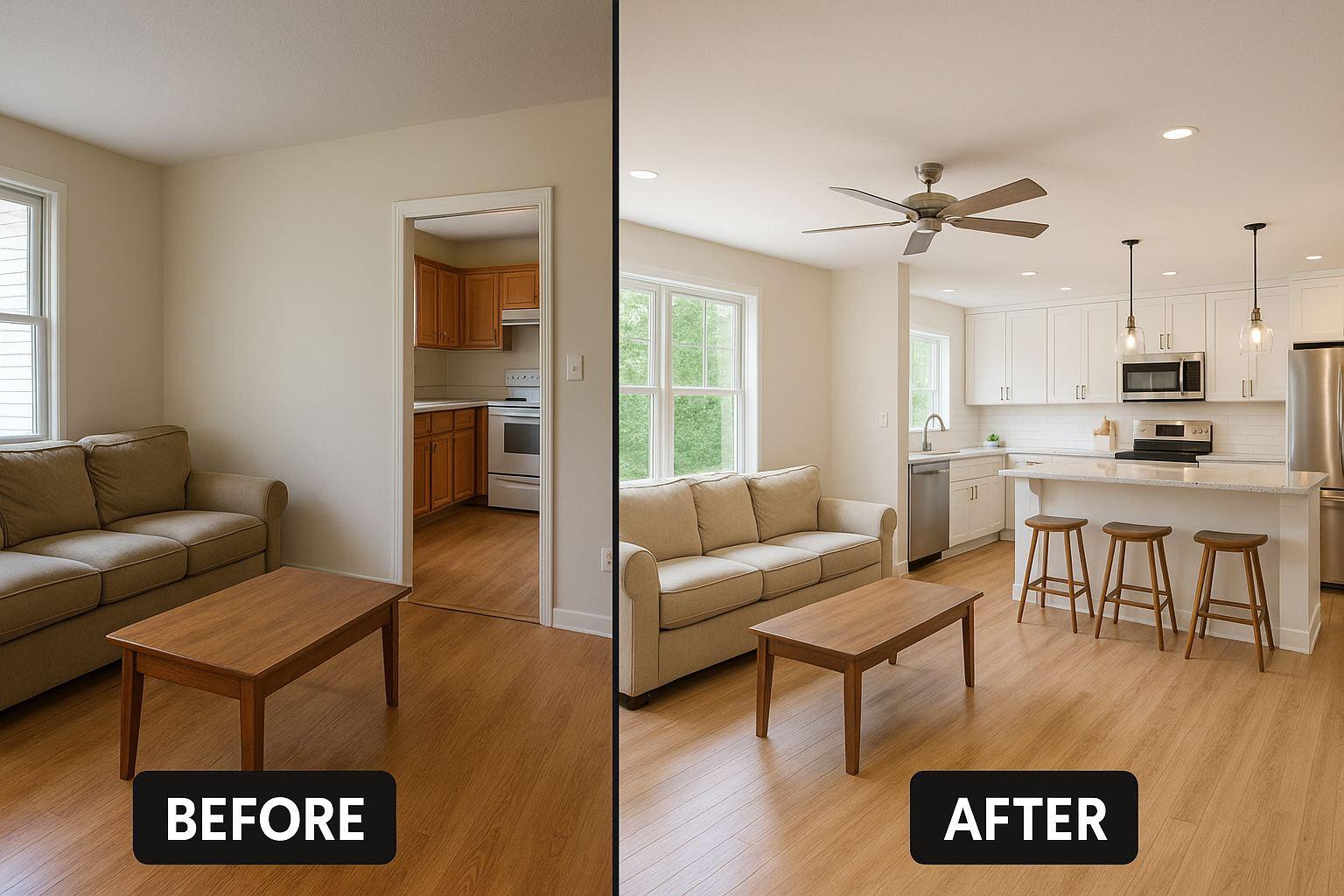
Few home updates make as dramatic an impact as opening a wall. Whether you're connecting your kitchen to the living room or expanding a dining area, removing barriers can make your home feel larger, brighter, and more modern.
But before grabbing a sledgehammer, it's essential to understand what's behind that wall, literally and strategically. Here's how to plan an open concept home renovation that adds both space and value.
Why Open-Concept Layouts Are So Popular
Open-concept living has become one of the most desirable features for homeowners and buyers alike. It creates:
Natural light flow, Fewer walls mean light travels farther.
Improved social interaction, Great for entertaining and family connection.
Flexible space, Design zones without losing openness.
Higher resale value, Open layouts are a consistent market favorite.
If your home was built before the 1990s, chances are it has smaller, divided rooms. Opening a wall can modernize the layout instantly.
Step 1: Determine If the Wall Is Load-Bearing
Before any demolition, consult a licensed contractor or structural engineer. Load-bearing walls support the weight of your home and must be replaced with proper beams or supports. Removing one without reinforcement can lead to costly structural damage.
Pro Tip: A structural beam can often be recessed into the ceiling for a clean, seamless look, perfect for a modern aesthetic.
For more guidance, check the U.S. Department of Housing and Urban Development's remodeling safety guide.
Step 2: Plan the Flow and Function
Opening a wall changes how you live in the space, so plan intentionally. Ask yourself:
- How will traffic flow through the new layout?
- Does the lighting need adjustment?
- Will you lose storage, cabinetry, or outlets on that wall?
A well-planned open concept home renovation blends spaces without sacrificing function. For example, adding a kitchen island where a wall once stood maintains separation while keeping the airy feel.
Step 3: Manage Dust, Permits & Logistics
Removing walls can get messy. Cover floors, seal off nearby rooms, and plan for disposal. You may need local building permits, especially if plumbing, wiring, or structural work is involved.
Your contractor should handle:
- Load calculations and beam installation
- Electrical and HVAC rerouting
- Finishing work (drywall, trim, flooring patch)
Always verify your contractor is licensed and insured.
Step 4: Consider Lighting and Design
When you open a wall, you may also change how natural and artificial light behave in the space. Recessed lighting, pendant fixtures, or under-cabinet LEDs help balance brightness.
Complement the new layout with consistent flooring and neutral wall colors to create a cohesive, expansive appearance.
Step 5: Evaluate ROI (Return on Investment)
According to Remodeling Magazine's Cost vs. Value Report, structural remodels that improve flow and visibility often yield a 60–70% return on investment, especially when combined with kitchen upgrades.
For homeowners considering selling, a smart renovation can make your listing stand out, particularly when paired with a fresh open-concept kitchen or living area.
If you're weighing value-add renovations, you might also enjoy our post on how to make house flipping profitable.
The Bottom Line
Opening a wall is one of the most transformative, and surprisingly achievable, upgrades you can make. It redefines how your home feels and functions, creating a brighter, more social space while adding measurable value.
Whether you're preparing to sell or simply want to love your home more, an open concept renovation is a project worth exploring.
For additional insights on wall removal, check out This Old House's guide to removing walls safely.
Call to Action
Thinking about opening up your home layout? Trey's team can help assess your property, design your ideal floor plan, and coordinate with trusted local contractors to bring your vision to life.
Contact us today to schedule a consultation and start planning your transformation.